ChatGPT
ChatGPT starts showing in-chat ads, and users are not having it
Cue the dystopian jokes and a few, “I didn’t pay $200 for this.”

Just a heads up, if you buy something through our links, we may get a small share of the sale. It’s one of the ways we keep the lights on here. Click here for more.
ChatGPT starts showing in-chat ads, and users are not having it
ChatGPT sparked a minor rebellion this week after a user spotted what looked suspiciously like an ad for the Peloton app, right in the middle of a completely unrelated conversation about an Elon Musk podcast.
Cue panic, outrage, and the collective sound of paid subscribers asking, “Why are we getting ads now?”
The incident came to light when Hyperbolic co-founder Yuchen Jin posted a screenshot on X showing ChatGPT politely, but bizarrely, suggesting he “connect the Peloton app.”
Jin, notably a $200-per-month Pro Plan subscriber, was not thrilled. And the internet agreed.
His post racked up nearly half a million views, spawning threads of users complaining that ChatGPT had also been trying to push them toward apps like Spotify, even when they explicitly preferred Apple Music.
Cue the dystopian jokes and a few, “I didn’t pay $200 for this.”
OpenAI’s Daniel McAuley eventually jumped into the conversation to put out the fire. No, he insisted, this was not an ad.
There was “no financial component.” It was just ChatGPT trying, poorly, to surface an app as part of OpenAI’s new “app discovery” experiments.
McAuley admitted the suggestion was irrelevant and confusing, adding that the team was iterating on the experience.
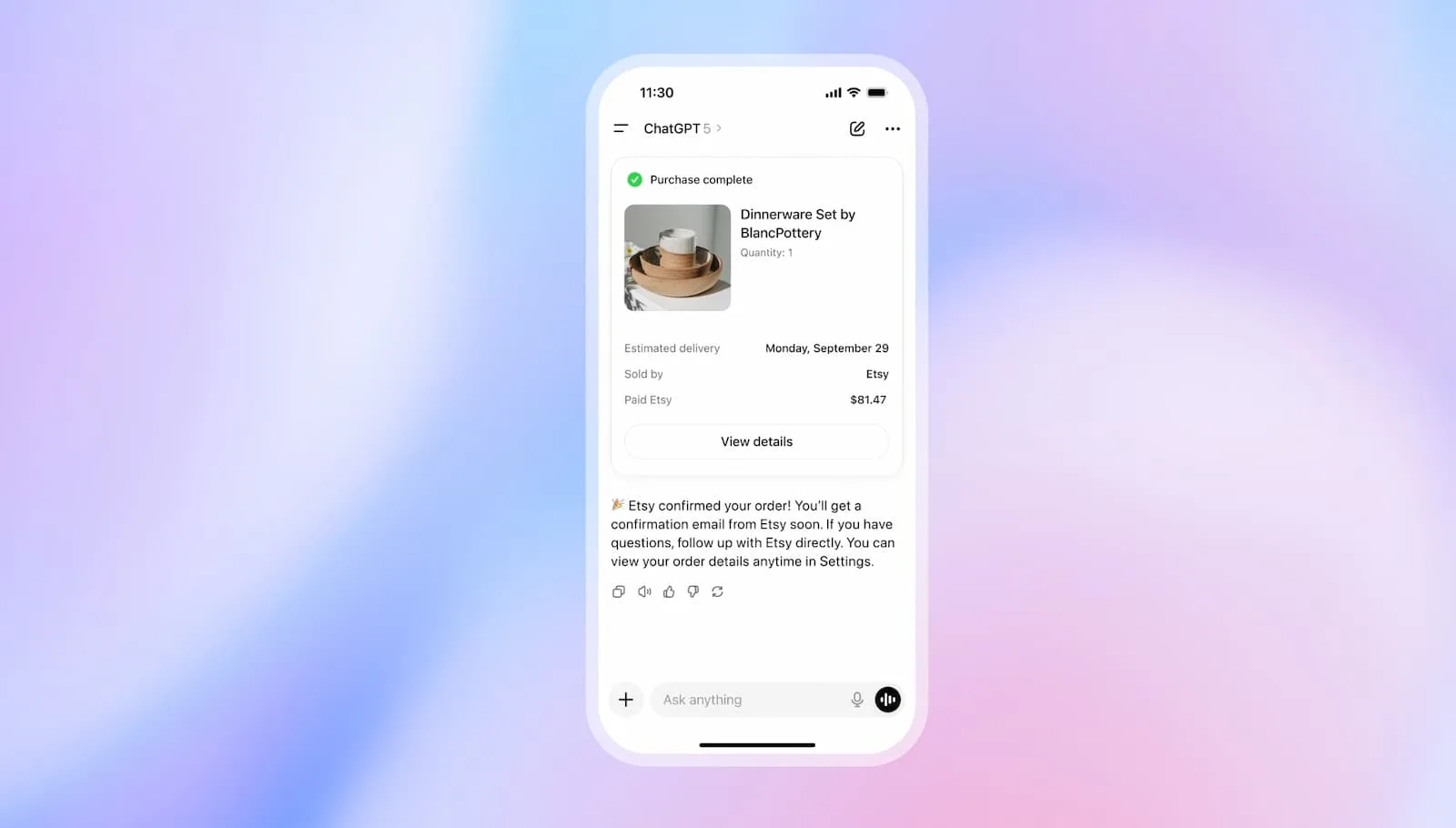
OpenAI later confirmed that this was all part of a broader test tied to its new app platform announced in October.
The vision: apps that “fit naturally” into conversations, popping up when they’re useful, like Canva for design tasks or Booking.com for travel planning.
The reality: Peloton is showing up while discussing xAI.
Even if the suggestion had been relevant, users pointed out that recommending a paid app feels a lot like advertising, especially since there’s currently no way to turn these suggestions off.
And that poses a real problem for OpenAI’s dream of becoming the new app store inside your chatbot. If users feel nagged, they may wander off to a less pushy competitor.
For now, ChatGPT’s app suggestions remain in pilot mode and unavailable in the EU, UK, and Switzerland.
But one thing’s clear: if OpenAI wants users to embrace chatbot-powered apps, it’ll need to make those suggestions feel helpful, not like product placement from an overeager gym buddy.
Follow us on Flipboard, Google News, or Apple News