
AI
ChatGPT becomes WebMD—40M Americans seek health advice online
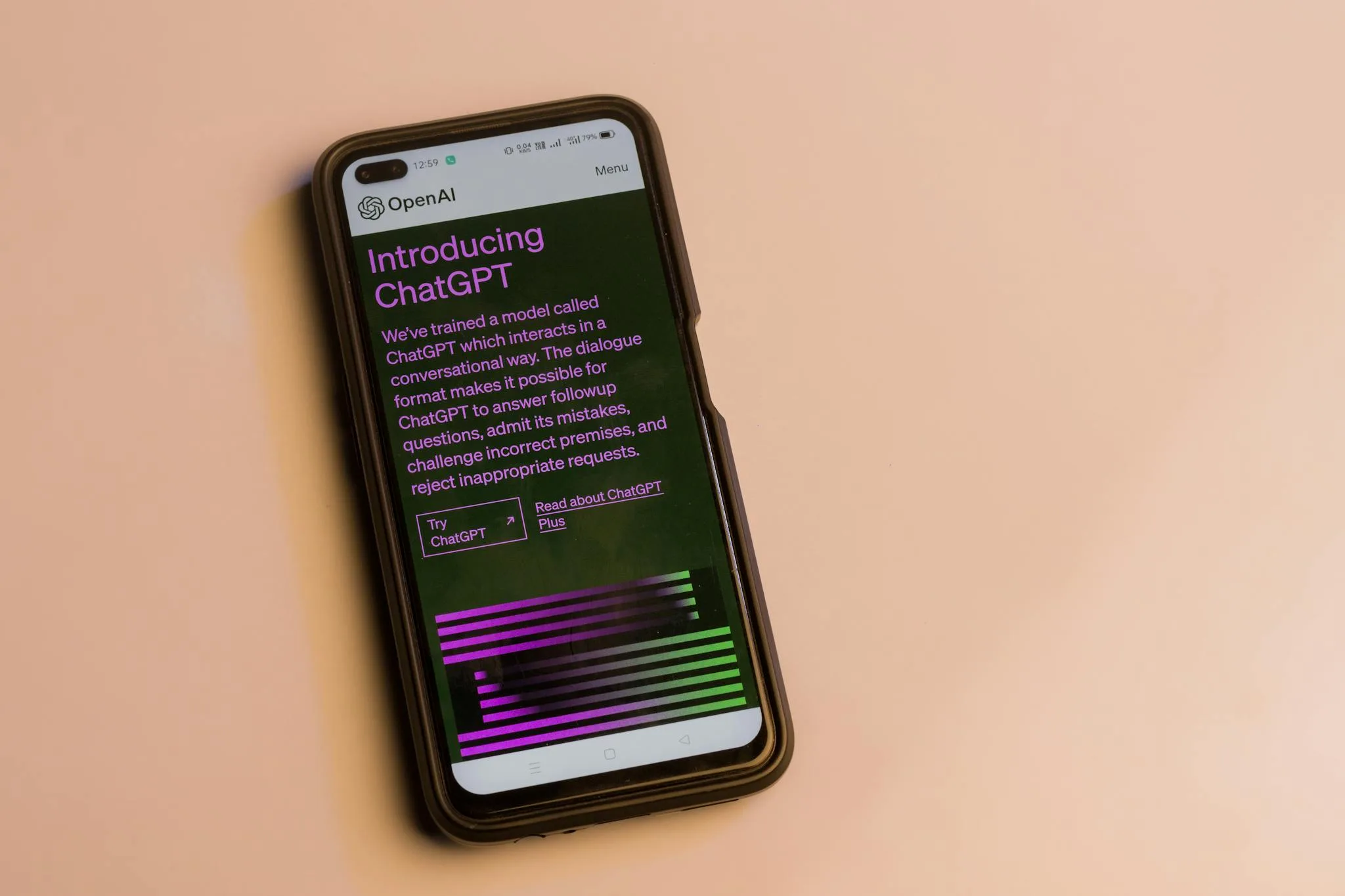
Over 40 million Americans are tapping into ChatGPT for health insights, with 5% of messages focused on health and 70% of those chats happening after hours.

Just a heads up, if you buy something through our links, we may get a small share of the sale. It’s one of the ways we keep the lights on here. Click here for more.
Over 40 million Americans are now pinging ChatGPT every day with health questions, and a surprising chunk of that traffic has nothing to do with WebMD-style symptom panic.
According to Axios, OpenAI’s data shows that more than 5% of all ChatGPT messages are health-related, with roughly 70% of those chats happening outside normal office hours, which tells you exactly how many people are using AI as an after-hours stand‑in for doctors, insurers, and HR benefits portals.
In a year when Affordable Care Act subsidies expired, marketplace premiums spiked an average of 26%, Medicare Part B jumped almost 10% to just over $200 a month, and employer plans are staring down their steepest hike in 15 years, an always‑on chatbot that can decode medical bills and insurance fine print starts to look like a survival tool.
Users are feeding ChatGPT everything from cryptic explanation-of-benefits PDFs to denial letters and plan brochures, asking it to spot overcharges, explain mystery line items, and suggest how to appeal claims.
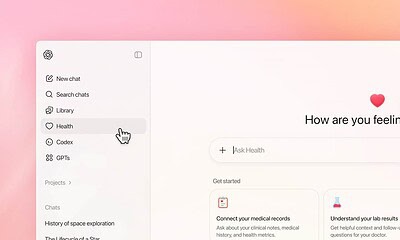
OpenAI’s own report brags that people can paste in symptoms and prior doctor advice and get flagged when something sounds potentially serious, which is exactly the sort of feature that makes healthcare people both curious and nervous.
That nervousness is not hypothetical: OpenAI is already facing multiple lawsuits, including several in California, from families alleging that ChatGPT’s responses played a role in self-harm and even deaths, especially around mental health conversations.
Lawmakers have noticed the gap between how people are actually using these tools and how safe they might be. In 2025, legislators in 47 states floated more than 250 AI-in-healthcare bills, with 33 making it into law across 21 states.
Illinois, Nevada, and Utah slapped restrictions on AI mental health chatbots, and California now requires clearer disclosures when you’re talking to a bot plus stronger protections for minors.
OpenAI, for its part, pretty much says future ChatGPT versions will ask more follow‑up questions, lean harder on fresh online sources, use more cautious language, and push people toward real doctors instead of letting the chatbot become their de facto primary care provider.
Follow us on Flipboard, Google News, or Apple News














Katarina
February 9, 2026 at 1:16 pm
It’s fascinating how ChatGPT is becoming a go-to source for health advice, especially after hours when access to professionals is limited. While AI can guide general health questions, it can’t replace personalized care or clinical judgment. For anyone exploring the intersection of technology, behavior, and well-being, best books on addiction provide valuable insights into how people seek help, understand risk, and make decisions about their health. Visit the website for more details.