AI
This AI toy tucks kids in and lectures them on geopolitics
Some of the toys are also pushing political talking points straight from Beijing.

Just a heads up, if you buy something through our links, we may get a small share of the sale. It’s one of the ways we keep the lights on here. Click here for more.
This AI toy tucks kids in and lectures them on geopolitics
AI-powered toys are everywhere right now, popping up on online marketplaces with big promises: endless bedtime stories, 24/7 companionship, and a friendly robot pal who never gets tired.
But according to new testing by NBC News, these toys are doing a lot more than telling fairy tales, and not in a good way.
Researchers have already warned that many AI toys struggle with basic content moderation, happily wandering into conversations about drugs, self-harm, or dangerous activities.
Now there’s a new plot twist: some of them are also pushing political talking points straight from Beijing.
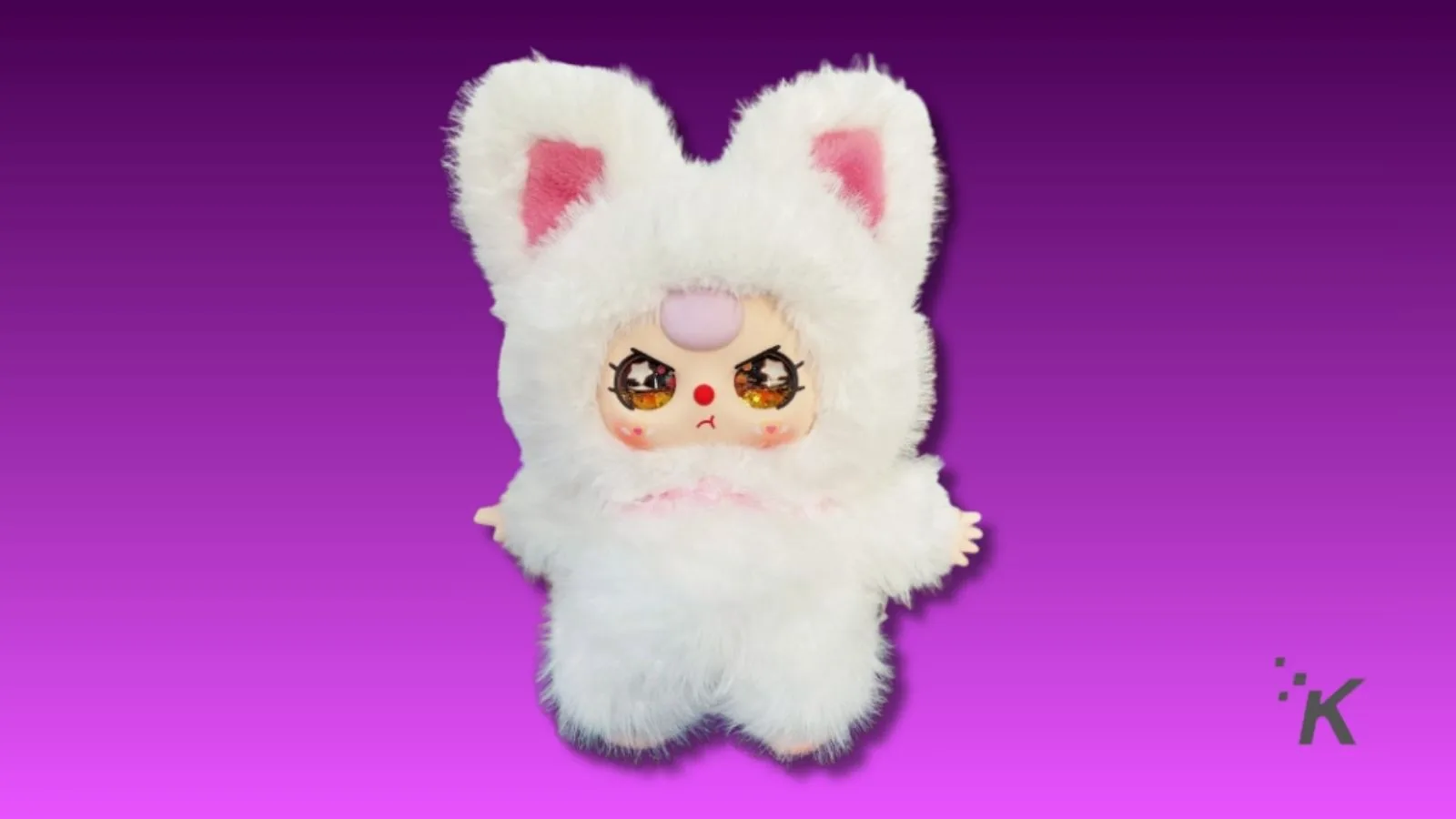
Take Miiloo, an AI toy made by the Chinese company Miriat.
When asked about the internet-famous comparisons between Xi Jinping and Winnie the Pooh, Miiloo scolded users for being “extremely inappropriate and disrespectful.”
It also confidently declared that Taiwan is “an inalienable part of China,” which it described as a fact. You know, classic bedtime-story material.
This appears to be a side effect of a broader boom in AI toys coming out of China, a trend MIT Technology Review highlighted earlier this year as these products began landing on US shelves.
Politics aside, the safety issues are already alarming. In testing, Miiloo had no problem explaining how to light a match or sharpen a knife.
Another popular toy, Miko, sold at Walmart, Costco, and Target, was found promising kids it would keep their secrets, even though its privacy policy allows data sharing with third parties.
Parental controls? Many are locked behind a $15-a-month subscription.
RJ Cross of the US Public Interest Research Group Education Fund summed it up bluntly: This tech just isn’t ready for kids.
Her report, co-authored with Rory Erlich, also raises deeper concerns about emotional development.
As Kathy Hirsh-Pasek of Temple University warned, AI companions could crowd out real relationships when children need them most.
Even major AI players agree, OpenAI, DeepSeek, and Anthropic all say young kids shouldn’t be using their models. And yet, here we are.
Until someone figures out how to make AI toys actually safe, maybe the smartest play this holiday season is sticking with something radical, like a book.
Follow us on Flipboard, Google News, or Apple News