Amazon
Amazon issues urgent scam warnings—what shoppers must know
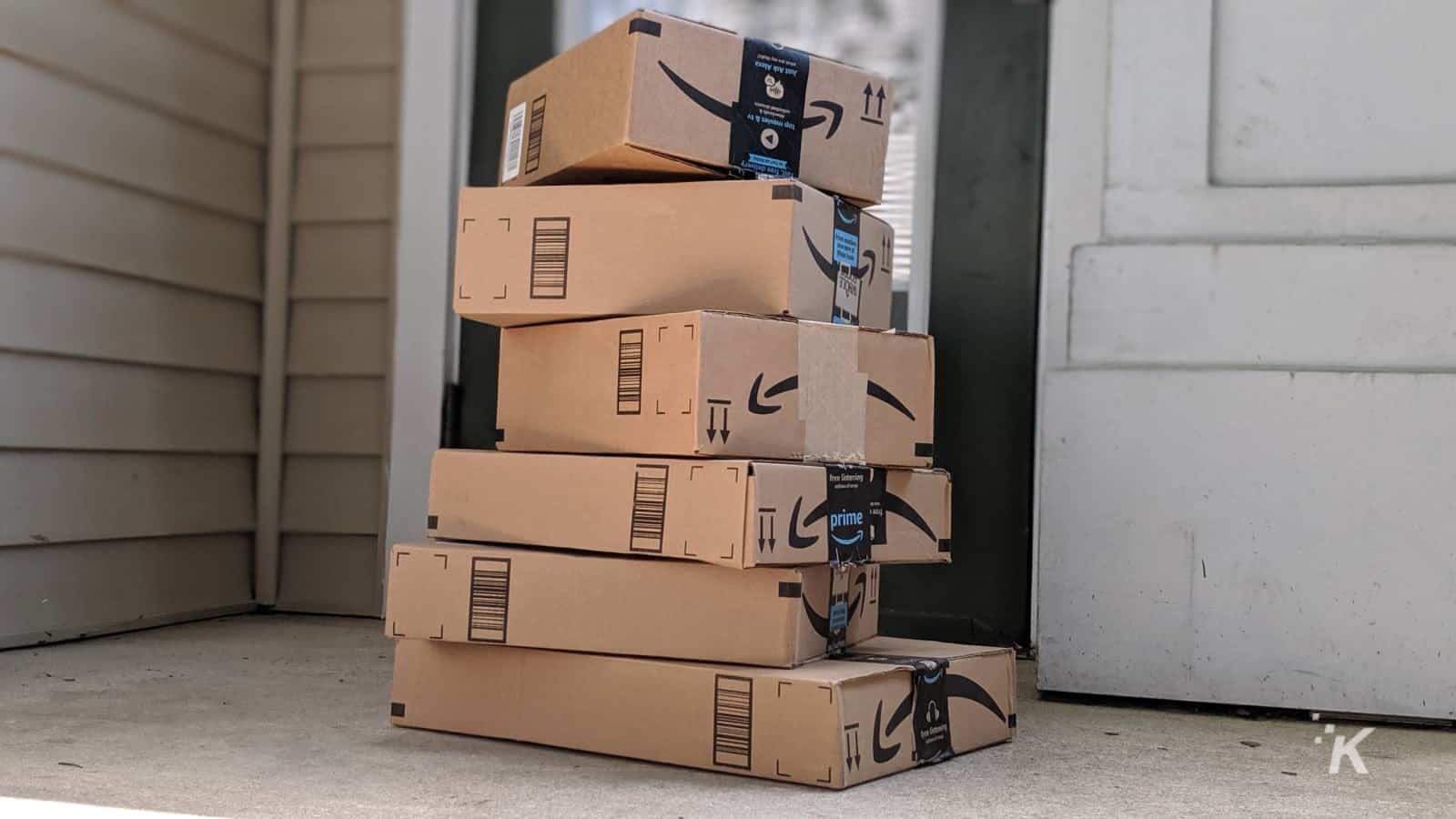
Amazon is sounding the alarm on impersonation scams this holiday season, urging shoppers to verify orders directly through their accounts.

Just a heads up, if you buy something through our links, we may get a small share of the sale. It’s one of the ways we keep the lights on here. Click here for more.
Amazon’s playing defense this holiday season, blasting millions of shoppers with warnings about impersonation scams that are absolutely everywhere right now.
And honestly? They should be worried—the FTC logged nearly 34,000 reports of Amazon impersonation fraud in just the year leading up to May 2024. That’s a lot of people getting bamboozled. (according to the FTC)
“We will continue to invest in protecting consumers and educating the public on scam avoidance,” says Amazon PR’s Christy Vargas (via USA Today), which is corporate-speak for “please stop falling for this stuff.”
The FBI’s even jumping in with warnings about account takeover fraud, because apparently scammers are getting really good at this.
How to Spot Amazon Impression Scams
The red flags are painfully obvious once you know them:
- Fake urgency (“YOUR ACCOUNT WILL BE SUSPENDED!”),
- Requests for personal info Amazon already has,
- Demands to pay outside the platform,
- Gift card payments (the universal currency of fraud), and order notifications for stuff you definitely didn’t buy
Always verify orders by logging directly into your Amazon account—not through sketchy links in texts or emails. If something seems off, it probably is.
Best Buy/Geek Squad and PayPal are also getting impersonated like crazy, so this isn’t just an Amazon problem. The good news? Tech giants are fighting back—Apple’s iOS 26 is adding better scam text filtering, and Google’s doing similar work.
Report suspicious messages to Amazon and the FTC, even if you didn’t lose money. Your report might save someone else from getting fleeced.
Follow us on Flipboard, Google News, or Apple News




Review Roundups
Review roundup: Samsung Galaxy Z TriFold