Sponsored
Understanding the growing importance of air purifiers in modern living
Air purifiers are improving home environments by capturing dust, pollen, smoke, and pet dander, paving the way for healthier living spaces.

Just a heads up, if you buy something through our links, we may get a small share of the sale. It’s one of the ways we keep the lights on here. Click here for more.
Indoor environments today contain far more hidden pollutants than many people realize. As individuals spend extended hours inside their homes, workplaces, and shared buildings, the quality of the air around them has become an essential part of daily well-being.
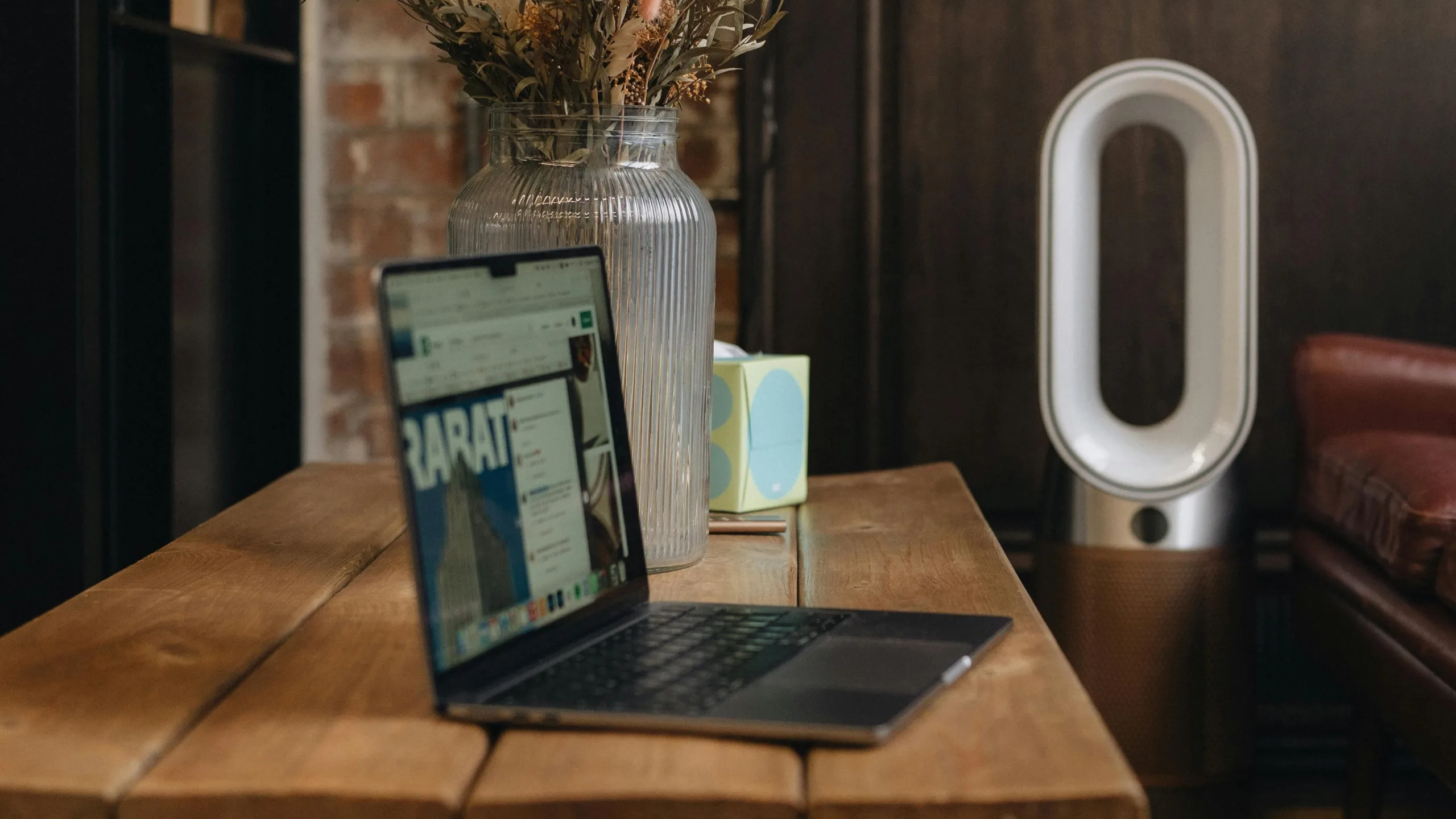
Dust, pollen, smoke, pet-related particles, and other microscopic contaminants often accumulate in enclosed spaces. This is why more people are turning to devices such as an air purifier to help maintain cleaner indoor air.
While different models have various technological features, the central purpose is consistent: to improve the air people breathe every day.
What air purifiers actually do
Air purifiers function by drawing in air from the surrounding environment, passing it through a filtration system, and releasing cleaner air back into the room.
These devices can capture a wide range of airborne matter, including dust particles, pet dander, pollen, and certain household odors.
Many purifiers include multiple layers of filtration to address different types of contaminants that naturally build up over time.
Airborne particles are often invisible yet circulate continuously through heating, ventilation, and cooling systems. Over time, they settle on furniture and surfaces, contributing to stuffy or uncomfortable conditions.
By using an air purifier, individuals can help reduce these contaminants and create a more pleasant indoor environment.
This can be particularly helpful for people who experience discomfort from pollutants that are difficult to detect without specialized equipment.
Why indoor air quality matters more than ever?
Modern buildings are often sealed tightly for energy efficiency, which helps maintain temperature but also traps pollutants inside.
Everyday activities like cooking, cleaning with certain products, or burning scented items can introduce small particles into the air. Without proper filtration or airflow, these pollutants remain circulating indoors for long periods.
Air quality concerns are not restricted to specific seasons or climates. Outdoor particles enter homes through windows and doors, while indoor sources contribute to continuous buildup.
With an air purifier operating in the background, it becomes easier to regulate the air inside and reduce the presence of unwanted particles throughout the year.
Where air purifiers offer the most benefit?
Air purifiers are versatile and can be effective in many parts of a home or business. Bedrooms are a common choice because people spend several hours sleeping in the same enclosed space each night.
Living areas, dens, and home offices also benefit from improved air circulation and reduced airborne buildup. For households with pets, an air purifier can help manage the fine particles animals naturally release into the air.
In denser urban settings, outdoor pollution can be a significant contributor to indoor air quality issues. Air purifiers help filter these particles before they settle inside.
Even in quieter suburban or rural areas, allergens like pollen, smoke from seasonal activities, and dust can be present in large quantities, making air purification a useful addition in many homes.
Key features to consider in a modern air purifier
Selecting an air purifier involves considering several important qualities. The strength and type of filtration are key factors, as they determine what particles the purifier can capture.
Matching the purifier’s capacity to the size of the room ensures it can effectively process the air in that space. Noise level is another important detail, especially for rooms where people sleep or work.
Some air purifiers also include sensors that measure air quality and adjust performance automatically. Others may offer digital displays or app-based controls.
Routine maintenance, such as filter replacement, also matters because it affects long-term performance and overall cost of ownership.
Air purifiers as part of a healthier lifestyle
Using an air purifier is one step toward maintaining a cleaner indoor environment. It works best when combined with simple habits like regular dusting, ensuring proper airflow, and reducing unnecessary airborne irritants.
Together, these practices help create spaces that feel fresher and more comfortable.
The use of air purifiers can also provide peace of mind. Knowing that the air is being continuously filtered can make shared environments more welcoming, especially for guests or individuals who may be more sensitive to changes in air quality.
Conclusion
Air purifiers have become a valuable tool for improving the quality of indoor air as people become more aware of how hidden pollutants can affect comfort and daily life.
By filtering out unwanted particles and helping maintain a cleaner atmosphere, these devices support healthier living conditions in homes and workplaces.
With thoughtful selection and proper upkeep, an air purifier can contribute to long-term indoor freshness and overall peace of mind.
Disclosure: This is a sponsored post. However, our opinions, reviews, and other editorial content are not influenced by the sponsorship and remain objective.
Follow us on Flipboard, Google News, or Apple News




Review Roundups
Review roundup: Samsung Galaxy Z TriFold