News
Judge says Tesla misled drivers about what Autopilot actually does
A California judge just hit Tesla with a wake-up call, ruling that the company misled customers about Autopilot and Full Self-Driving. This decision led to a 30-day suspension of Tesla’s sales and manufacturing.

Just a heads up, if you buy something through our links, we may get a small share of the sale. It’s one of the ways we keep the lights on here. Click here for more.
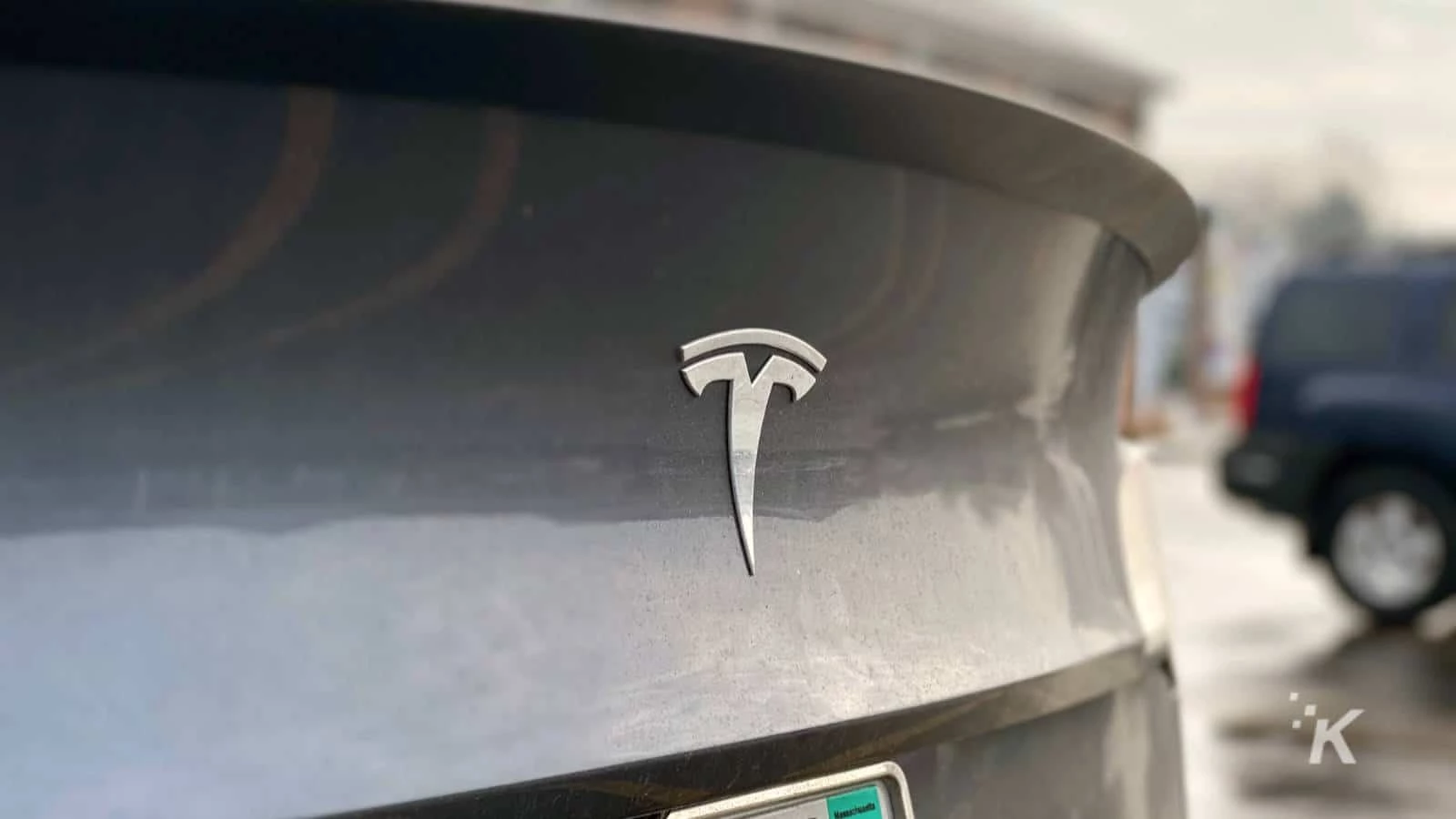
A California judge just ruled that Tesla misled customers about Autopilot and Full Self-Driving, and the fallout could hit the company where it hurts most: California, its largest U.S. market.
The decision says Tesla’s branding and marketing gave drivers an inflated sense of how capable its driver-assistance features really are, essentially blurring the line between assistive tech and true self-driving, reports Techcrunch.
At the center of this is the long-running tension between what Autopilot/FSD actually do and what their names imply.
These systems can handle lane-keeping, adaptive cruise, and some complex scenarios, but they still require a fully attentive human behind the wheel.
The judge agreed with the California DMV that calling this “Autopilot” and “Full Self-Driving” crosses into deceptive marketing, even if Tesla tucked disclaimers into the fine print, reports CNBC.
As a penalty, the DMV sought a 30-day suspension of Tesla’s sales and manufacturing licenses in California, and the judge signed off on that.
However, the DMV stayed that suspension to give Tesla time to comply—either by changing how it markets the tech or, in theory, by actually delivering real autonomy.
Tesla, unsurprisingly, is signaling it has no plans to back down, saying California sales “will continue uninterrupted” and pointing out that there haven’t been customer complaints in this specific DMV case.
In a statement to CNBC, the company claims ″this was a ‘consumer protection’ order about the use of the term ‘Autopilot’ in a case where not one single customer came forward to say there’s a problem. Sales in California will continue uninterrupted.”
This fight comes as Tesla is already under the microscope from regulators and facing lawsuits over crashes tied to Autopilot.
It’s also testing a robotaxi service in Austin that uses a different software stack than what customers get, raising even more questions about how the company communicates capabilities to the public.
If California ultimately forces Tesla to tone down its autonomy hype, it could set a new bar for how every carmaker talks about “self-driving” features going forward.
Follow us on Flipboard, Google News, or Apple News