Meta struggles to halt rampant car scam on Facebook and Instagram
Scammers are hijacking Facebook and Instagram accounts to sell phantom cars, and Meta is still playing catch-up. It’s a digital deception with emotional hooks, leaving users empty-handed and eager for change.

Just a heads up, if you buy something through our links, we may get a small share of the sale. It’s one of the ways we keep the lights on here. Click here for more.
A long-running Facebook and Instagram scam is using hijacked accounts to sell cars that don’t exist, and Meta still hasn’t gotten a handle on it.
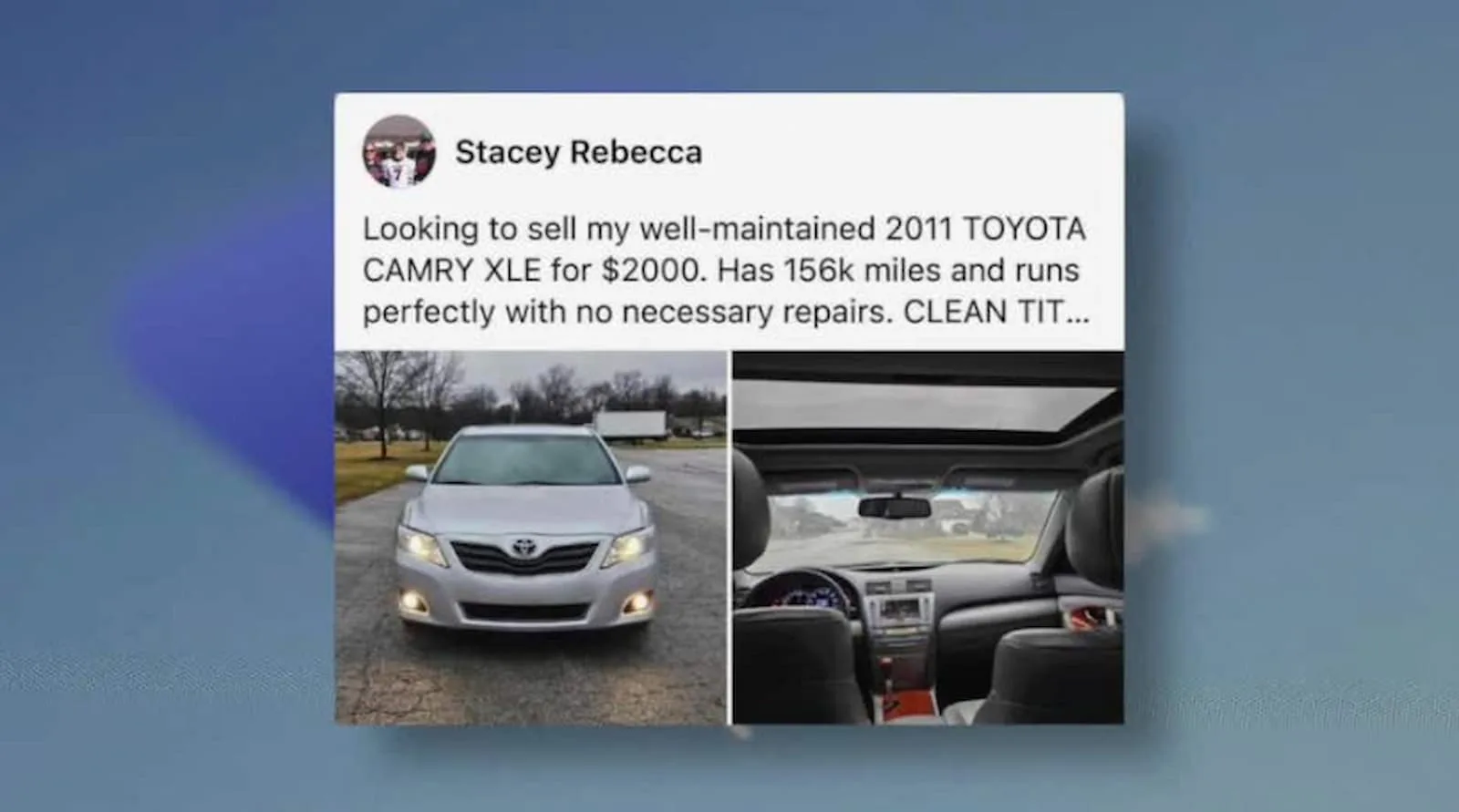
According to Carscoops, the playbook is depressingly consistent: attackers break into real users’ profiles, then blast out heartfelt posts about sudden family emergencies and the need to unload cars fast, pricing them so low that anyone who’s ever browsed Facebook Marketplace for a deal would at least click.
Think late‑model Toyotas, Hondas, or Jeeps in seemingly perfect shape going for a few grand, all shared under the name of someone you actually know.
That trust is the whole point. Because these listings come from friends, co‑workers, or local parents, they cut straight past the usual scam radar.
Once you reach out, the “seller” leans on the emotional backstory and claims they can’t talk on the phone because of hospital rules or bad reception, then pushes you to send a “fully refundable” deposit through one‑way apps like Zelle, Cash App, or Apple Pay.
As soon as the money lands, the account ghosts you—and the real owner is usually still locked out and scrambling to get control back.
What makes this worse is how long these fake posts can sit there. Versions of the scam have been documented across the U.S., Australia, and Europe for over a year, and researchers have found identical scripts recycling across accounts, even after people repeatedly report them.
Some hijacked profiles stay compromised for a week or more while Meta support drags its feet, giving scammers plenty of time to scoop up deposits from multiple victims.
Regulators are starting to notice.
A coalition of 41 state attorneys general blasted Meta over a huge surge in account takeover complaints, with states like New York reporting eye‑popping jumps in cases as the company simultaneously trimmed headcount in security and integrity teams.
Meta insists it’s investing in enforcement and tooling, but for everyday users, the reality is simpler: if a “friend” suddenly lists a dream car at a panic‑inducing price and wants money before you’ve even seen it, assume it’s a scam, verify through another channel, and do not send a cent.
Follow us on Flipboard, Google News, or Apple News