News
America’s first ‘live-wire’ highway just charged a big-rig at 65 MPH
Purdue engineers and the Indiana DOT have electrified the future with the nation’s first public demo of “dynamic wireless power transfer” on U.S. Highway 52 in West Lafayette, Indiana.

Just a heads up, if you buy something through our links, we may get a small share of the sale. It’s one of the ways we keep the lights on here. Click here for more.
If you want a glimpse of the future of EVs, don’t look in California or Tesla’s garages—look to a chunk of U.S. Highway 52 in West Lafayette, Indiana.
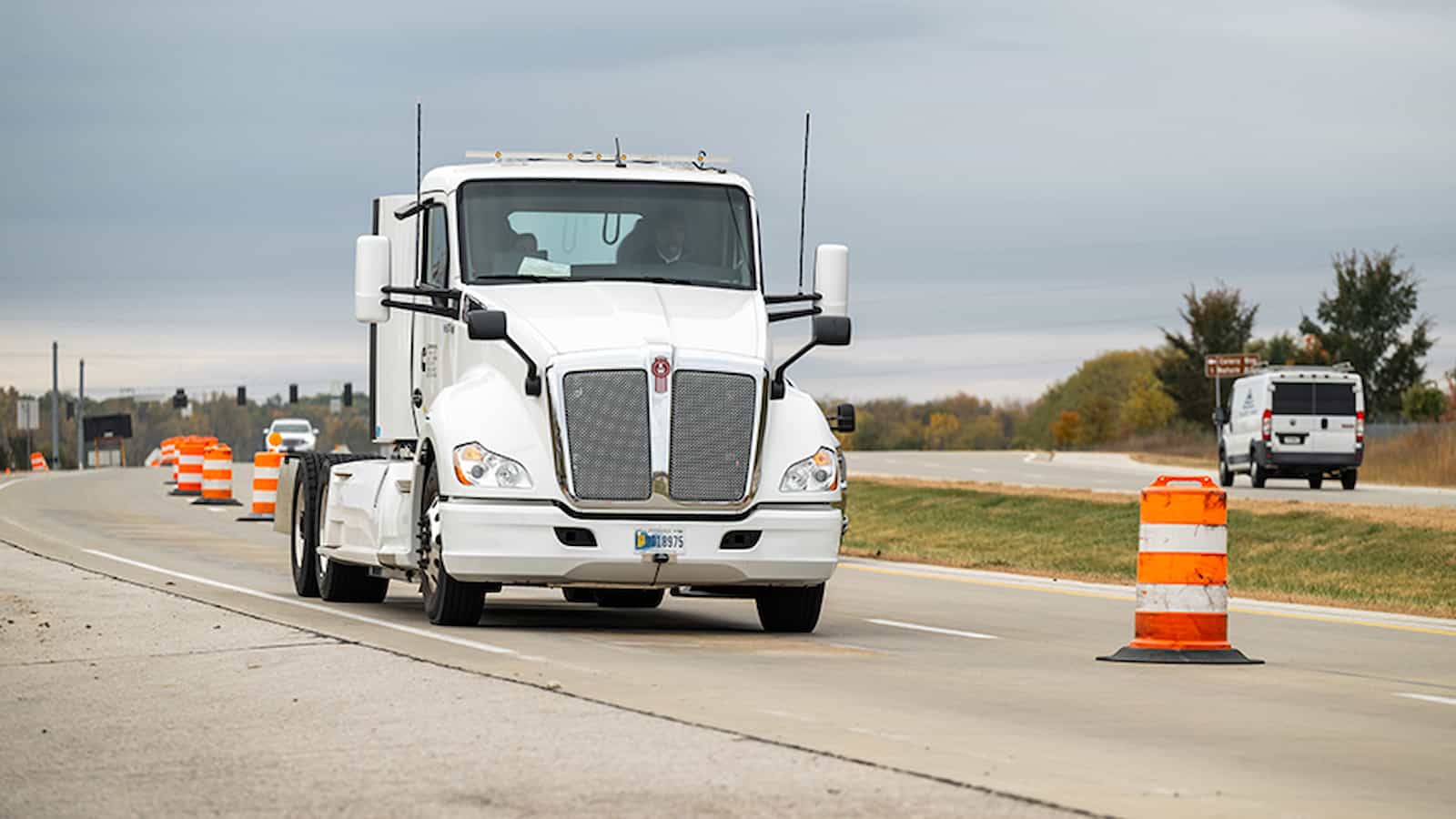
There, a Frankenstein’s monster of interstate and lab experiment, Purdue engineers and the Indiana DOT have managed to juice up a full-size electric big rig at highway speeds.
Read that again: An 18-wheeler, charging in real time, while barreling down the road at 65 MPH. According to Purdue University, this is the nation’s first public demo of what’s called “dynamic wireless power transfer.”
This isn’t your run-of-the-mill parking pad for Teslas at the mall
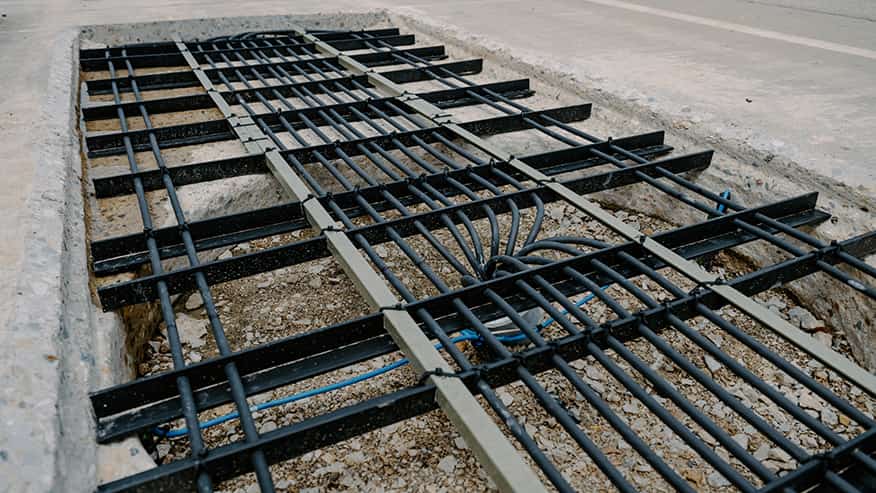
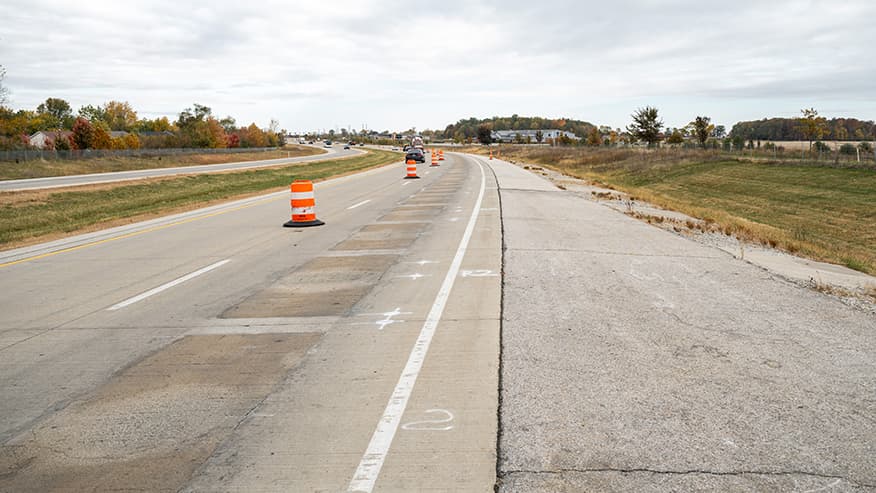
As first reported by Purdue University, the quarter-mile test strip blasts up to 190 kilowatts—basically enough to power about a hundred homes—into a specially-kitted Cummins electric truck, no stops, no plugs, just pure, drive-and-charge action.
Here’s how this blacktop magic trick works: Transmitter coils are embedded in the pavement and shoot bursts of electromagnetic energy to receiving coils mounted to the truck’s undercarriage.
They’re working off the same principles as your phone’s wireless charging pad—just ramped up to handle the appetite of freight haulers with a taste for gigawatts.
But why test on semis and not on boring old passenger cars? According to Equipment World, electric trucks put greater strain on batteries and need way more power than cars.
If the system works for the biggest, baddest vehicles, scaling it down for the rest of us is just a matter of calibration.
Purdue’s Aaron Brovont points out that miniaturizing the needed batteries would mean lighter trucks, more cargo, and cheaper vehicles for everyday drivers.
SupplyChain247 reports that this isn’t just a proof-of-concept: It’s a purposeful step toward highways where every vehicle—from Walmart semis to family SUVs—gets topped off as they cruise.
This means smaller batteries, fewer grid spikes, and way less nail-biting about whether you’ll make it to the next charger.
The technology is clever in its simplicity
As described by Envirotec Magazine, earlier concepts used a bunch of low-power coils scattered under truck trailers, but Purdue’s system packs all the muscle into one high-power coil, making it simpler to manufacture and maintain—not to mention less likely to be wrecked by salty winter roads.
So, are we about to see electric highways coast-to-coast? Not quite yet. It’s still just a quarter-mile stretch, and there’s a long way to go on industry standards and infrastructure.
But as reported by Purdue University, this demo has already raked in awards and patent filings—and has serious heavyweight backing.
Give it five years, and maybe stopping at the charging station will feel as outdated as hitting Blockbuster for VHS tapes.
The upshot: The future of “range anxiety” might be a whole lot less anxious. Indiana’s truckers are blazing the trail, and the rest of us—maybe even Tesla—should start paying attention.
Follow us on Flipboard, Google News, or Apple News